PET PRODUCTS
Custom Silicone Pet Products for OEM Projects
SM manufactures custom silicone pet products from drawings, existing samples or product concepts for pet brands, distributors and sourcing teams.
Current product directions include feeding and activity mats, collapsible bowls, grooming brushes, litter and utility mats, and other molded pet accessories defined around the actual project.
PRODUCT RANGE
Silicone Pet Product Directions
Start with the product type closest to your sourcing requirement, then define the geometry, pet/use conditions and supply scope around the actual product.
Silicone Pet Feeding & Activity Mats
Develop molded feeding or activity mats around the required outline, texture zones, cavity layout, size and visual direction.
Collapsible Silicone Pet Bowls
Define the bowl diameter, open and collapsed profile, wall geometry, rim, hanging feature, color and related product details.
Silicone Pet Grooming & Bath Brushes
Specify the contact texture, brush-head geometry, grip/body design and any reservoir or multi-part interface in the approved product concept.
Silicone Pet Litter & Utility Mats
Define the mat size, edge geometry, surface structure, thickness and floor-use conditions around the intended environment.
Custom Molded Pet Accessories
For product concepts outside a standard category, define the intended function, target animal, geometry, interfaces and use conditions before tooling.
USE CONTEXT
Define the Product Around How and Where It Will Be Used
01
FEEDING & ACTIVITY
Define the feeding/contact surface, cavity or texture layout, pet size and intended use conditions.
Key inputs: pet size · contact surface · cavity / texture layout · cleaning method
02
PORTABLE & COLLAPSIBLE
For foldable bowls and similar products, define the open size, collapsed profile, storage method and portability details.
Key inputs: open size · collapsed size · hanging / carry details · use environment
03
GROOMING & CARE
Define the contact texture, grip/body geometry, reservoir or component interface and expected cleaning method.
Key inputs: contact texture · grip/body · component split · cleaning method
04
HYGIENE & FLOOR USE
For litter or utility mats, define the footprint, surface geometry, edge details, floor interface and cleaning environment.
Key inputs: mat size · surface structure · floor interface · cleaning conditions
PRODUCT DEFINITION
Define the Pet, Product and Use Conditions Before Tooling
01
Target Animal & Size
Provide the target animal and relevant size range where they affect geometry, contact features or overall product scale.
02
Geometry & Dimensions
Define the overall shape, thickness, cavities, edges, wall sections and other molded features.
03
Surface & Texture
Specify raised, recessed, textured or patterned areas that are part of the approved product design.
04
Interfaces & Components
Define closures, reservoirs, inserts, handles or other mating relationships where the product contains multiple parts.
05
Use & Cleaning Conditions
Provide the intended use environment, contact context and expected cleaning method where they affect product requirements.
06
Material, Market & Compliance
Provide buyer-defined material, documentation and target-market requirements for the actual project.
Animal-contact, feeding, cleaning and market requirements are confirmed against the actual product before they are locked into the manufacturing scope.
PROJECT PROGRESSION
Move From Product Input to an Approved Physical Sample
01
DRAWING / SAMPLE / CONCEPT
02
PROJECT REVIEW
03
TOOLING
04
SAMPLE
05
APPROVAL / PRODUCTION STAGE
The exact route depends on product geometry, interfaces and the agreed supply scope. Secondary operations are added only where required by the approved design.
REAL MANUFACTURING EVIDENCE
Evidence Behind Custom Pet Product Development
Real process evidence helps buyers review how custom product geometry moves from tooling into molded parts, secondary work and sample verification.
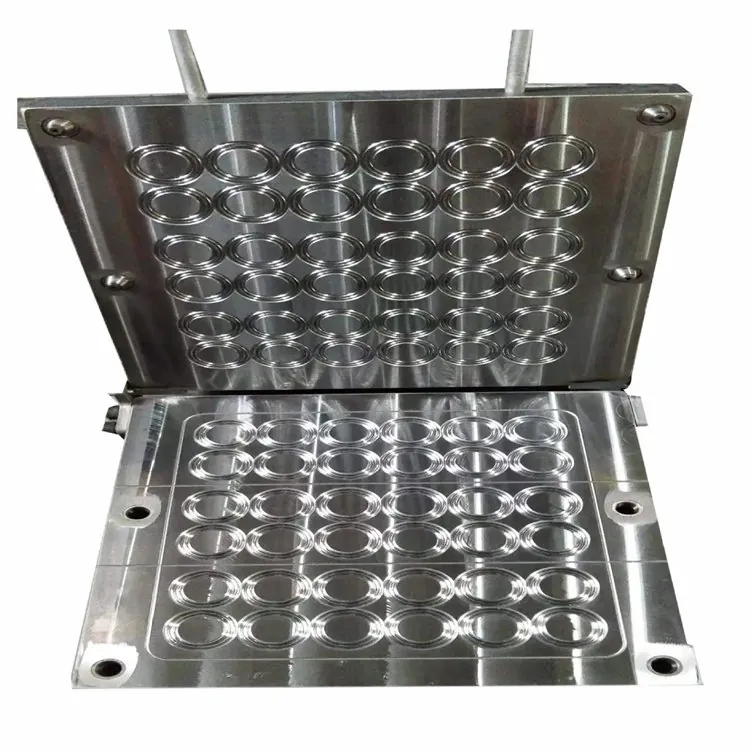
Tooling & Mold Preparation
Tooling is developed around the approved geometry and sample requirements.
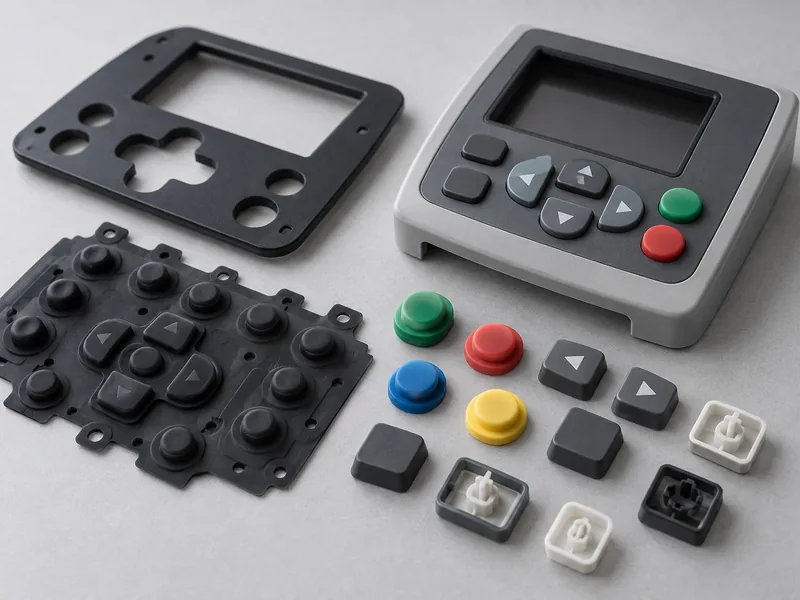
Molded Silicone Products
Molded components are checked against the agreed geometry and visible requirements before the next project stage.
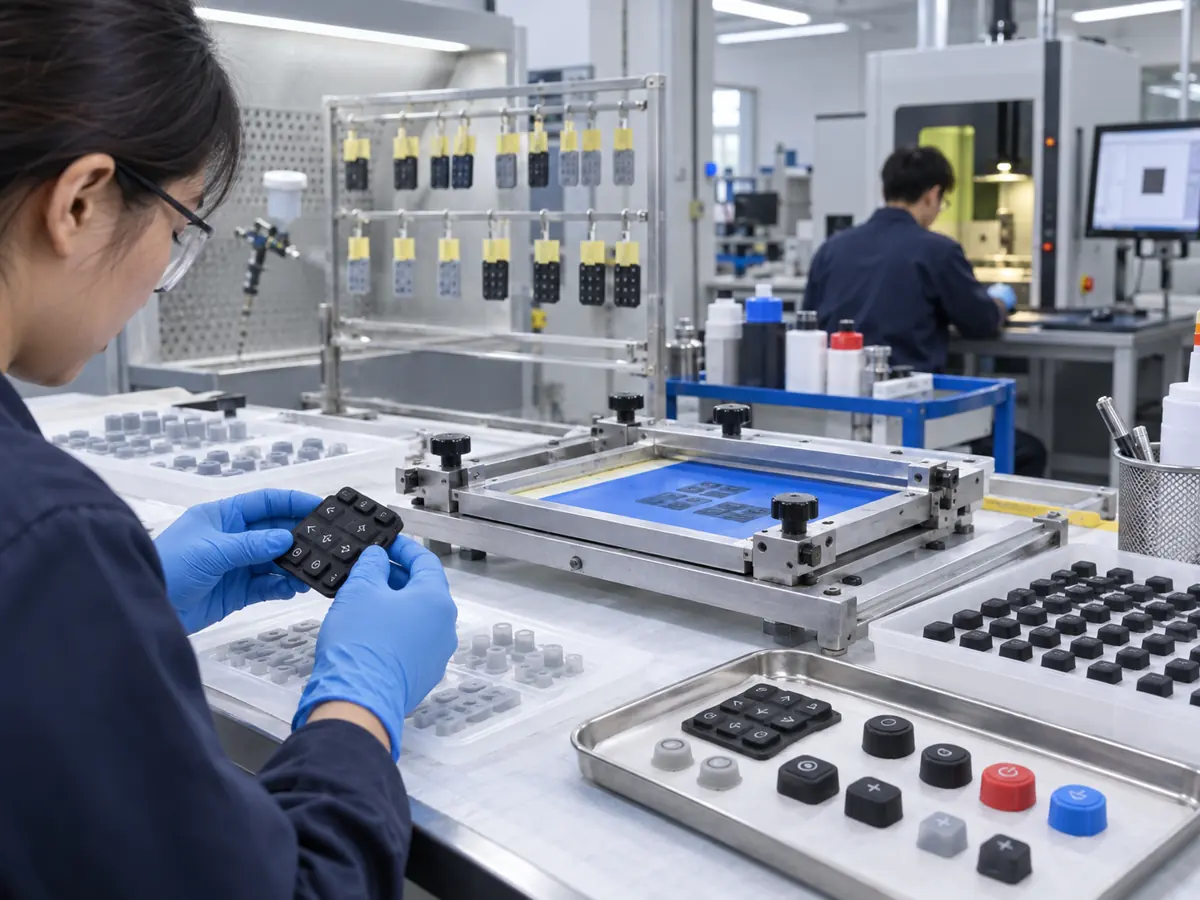
Surface, Marking & Secondary Work
Printing, laser engraving or other approved secondary steps are used where the product design requires them.
Sample & Inspection
Physical samples provide the agreed reference for dimensions, appearance, fit and other project-specific acceptance points.
PROJECT INPUTS
What to Send for a Pet Product Review
Start with the information already available.
PRODUCT
- drawing, sample or product reference
- product type and key dimensions
- geometry, texture or component details
PET & USE
- target animal and relevant size
- intended use environment
- contact and cleaning conditions
APPEARANCE
- color and surface references
- texture or pattern requirements
- logo, artwork or visible markings
MARKET & SUPPLY SCOPE
- target market and buyer-defined material/compliance requirements
- approximate volume context and target timing
- customer-supplied vs SM-supplied related parts
- packaging or labeling requirements, if relevant to the project brief
PET PRODUCTS FAQ
Questions About Custom Silicone Pet Product Projects
Yes. A physical product or clear reference sample can be used to review geometry, interfaces and the information still needed before tooling.
Yes. Feeding, grooming, utility or other approved product directions can be reviewed as one program, provided the scope and requirements of each product are clearly defined.
Provide the target animal, relevant size, intended use environment, contact conditions and expected cleaning method where these affect product design or requirements.
Send the target market and buyer-defined material or documentation requirements that apply to the actual project. These should be confirmed against the product rather than treated as default claims.
Potentially. The component split, interfaces and supply responsibility need to be defined before the project scope is confirmed.
START WITH THE PRODUCT
Share Your Pet Product Drawing, Sample or Product Direction
Send what you already have. SM can review the product scope, tooling path and manufacturing steps relevant to the project.