Custom Silicone Molding & Component Manufacturing
SM supports drawing- and sample-led custom component projects that may involve tooling, silicone compression molding, plastic button parts, selected surface processes, assembly and inspection. Share the part geometry, application context, visible-surface requirements, mating information and quantity context so the relevant manufacturing route can be reviewed.
Drawings | STEP Files | Samples | Mating Context | Project Requirements
One Custom Silicone Manufacturing Route, Multiple Process Steps
A custom silicone component rarely depends on molding alone. Tooling, molding, visible surfaces, plastic relationships, finishing and inspection may need to be considered together. The required steps and their sequence depend on the component; not every project uses every process shown on this page.
Tooling Development
Review drawings, component geometry and the tooling route before samples are prepared.
Silicone Molding
Produce custom molded silicone parts, keypads, buttons, covers, mats and related functional components.
Plastic Components
Coordinate plastic button and interface components where the project combines silicone and plastic parts.
Decoration & Finishing
Review silicone printing, spray coating, laser engraving and UV printing according to the required appearance.
Assembly & Inspection
Bring finished components together and check appearance, dimensions or fit where required by the project.
Custom Silicone Parts and Interface Components
SM is best suited to made-to-order components where shape, appearance, markings or fit follow a drawing, sample or product design. The groups below are representative component directions rather than a fixed catalog.

Custom Molded Silicone Parts
Functional molded silicone components developed around the required geometry and application. These may include covers, mats, protective pieces and other custom shapes that do not fit a standard catalog.
Silicone Keypads & Buttons
Molded silicone keys and button components for control panels, handheld devices and other interfaces where shape, visual markings and assembly fit matter.
Plastic Button Components
Plastic keys, caps and related interface parts that can be coordinated with the silicone portion of a product when both materials are used in the same assembly.
Silicone Accessories & Secondary Parts
Additional molded silicone pieces used as covers, pads, interface elements or supporting components within a larger product assembly.
If your component is not shown here, send the drawing or sample. Final geometry, material, process and delivery scope are reviewed from the actual part requirements.
Silicone Mold Tooling Starts With the Part
Tooling decisions begin with the component geometry and the processes that follow molding. Early review can consider parting lines, demolding, visible surfaces, decoration areas, mating relationships and later assembly.
Tool structure, sample route, timing and later production requirements need to be confirmed from the actual part. This page does not define a universal mold type or mold-life commitment.
- 2D drawing and 3D / STEP file review
- Key geometry and visible-surface considerations
- Tooling route coordination
- Sample preparation before production
- Downstream decoration or assembly requirements

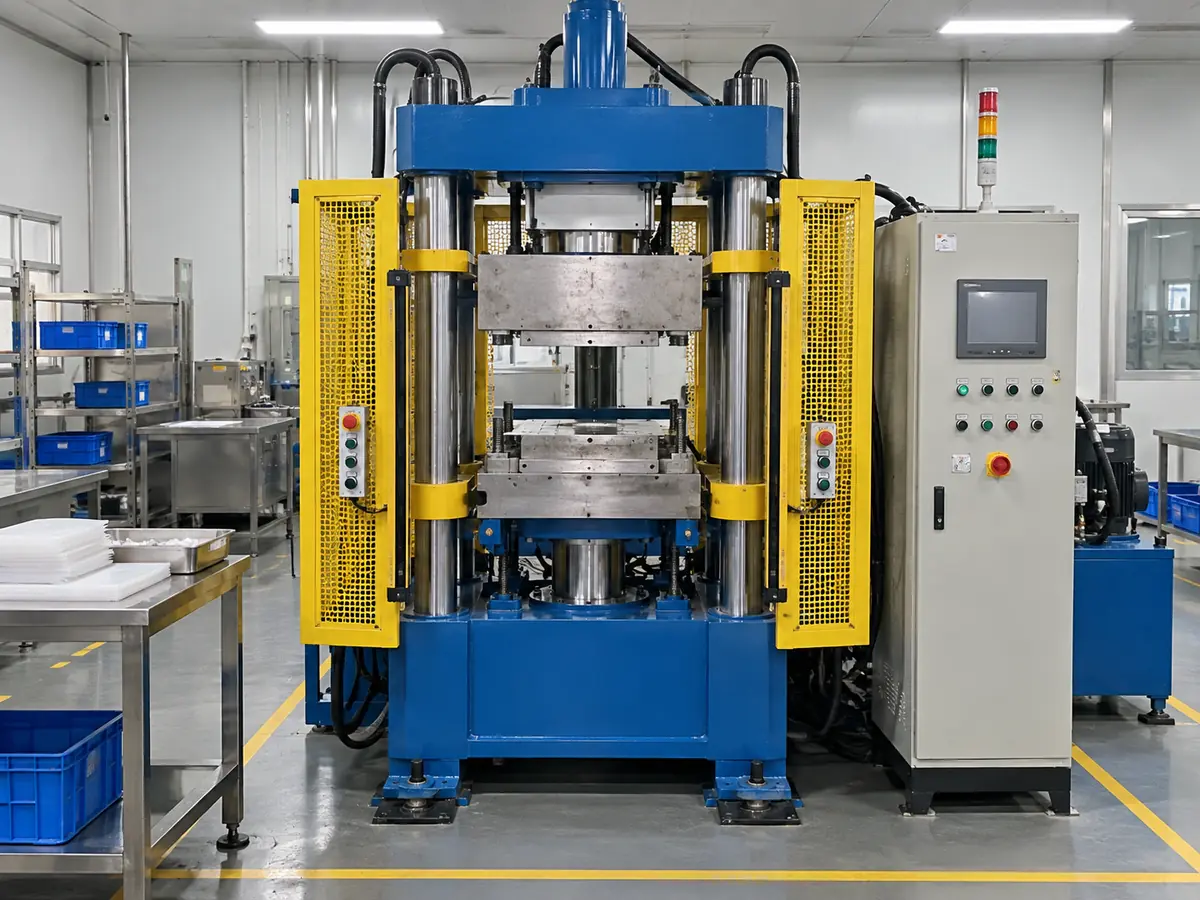
Custom Silicone Compression Molding for Made-to-Order Components
SM supports custom silicone compression-molded components developed for a specific product rather than off-the-shelf stock items. A project may start from CAD data, a physical sample, an existing component or an early design.
Review focuses on geometry, visible surfaces, markings, mating parts and the dimensions or fit points that matter to the assembly.
- silicone keypads and buttons
- molded covers and protective components
- silicone mats and interface pieces
- custom-shaped functional parts
- silicone components requiring later decoration or assembly
The manufacturing route, material, dimensions, tolerances and performance requirements remain subject to component and project review.
Plastic Button Components Coordinated With Silicone Parts
Many interfaces combine silicone and plastic components. Where relevant, SM can review plastic button or interface parts alongside the silicone portion so key dimensions, visible relationships and assembly context can be considered together.
Plastic material, tooling ownership, component scope and assembly responsibility must be confirmed for the project.
- plastic button and key components
- silicone-to-plastic fit
- visible surface and color coordination
- assembly relationships
- part-to-part consistency within the interface

Silicone Surface Decoration & Finishing
For many keypads and interface components, molding creates the shape while approved markings, color areas or coatings may require secondary processes. SM can review selected printing, spraying, laser processing, PU coating or UV printing according to the actual material, geometry, artwork and appearance requirement.


Printing

Laser Engraving

Intelligent Flatbed Printing

Finished Surface Review
Surface result and durability cannot be inferred from the process name alone. Define the visible area, artwork, color reference and any required evaluation criteria before the route is confirmed.
Custom Silicone Component Assembly and Inspection
Where a project combines molded silicone, plastic components or surface processes, the required assembly relationship and inspection points can be reviewed together. Checks may address appearance, critical dimensions, mating fit or agreed sample references, depending on the component.
- appearance and marking checks
- dimensional checks where applicable
- fit or assembly checks where applicable
- comparison against approved samples or project requirements
- inspection points defined for the specific component
Inspection method, frequency, acceptance limits and record availability remain project-specific. Review the Inspection & Testing page for the requirement-led model.


Define Requirements for a Custom Silicone Component
A useful RFQ gives enough context to understand which features affect tooling, molding, finishing, assembly and inspection. Material, performance and documentation targets remain subject to project review.
Geometry
Overall shape, wall features, key structures and visible surfaces.
Material / Application Context
What the component needs to do, its use environment, and any quality or documentation expectation that needs review.
Color & Appearance
Target color, texture, visible finish and cosmetic expectations.
Markings
Printed legends, symbols, laser-marked areas or other identification requirements.
Fit & Assembly
How the silicone or plastic component interfaces with neighboring parts.
Quantity Context
Approximate expected quantity helps frame the manufacturing discussion without forcing a fixed MOQ statement.
Custom Silicone Manufacturing From Requirements to Production
Share Requirements
Send a drawing, STEP file, sample, reference photo or project description.
Technical Review
Review geometry, application, appearance, tooling and relevant downstream processes.
Tooling & Samples
Prepare the tooling route and sample stage for part review.
Sample Review & Approval
Review the sample against the drawing, appearance references, mating context and agreed project points.
Production & Agreed Inspection
Proceed using the approved component, finishing route and inspection requirements confirmed for the project.
The exact sequence may vary by project, but the objective remains the same: decisions made early should support the finished component rather than create problems later.
Custom Silicone Molding Questions From Buyers
Use these answers as a starting point, then share the component information available for a project-specific review.
A 2D drawing, 3D / STEP file, physical sample or clear reference photos are useful starting points. Application context, appearance requirements, markings, fit points and approximate quantity also help focus the first review. If you do not have everything yet, send what is available.
Projects can begin from drawings, 3D files or an existing sample. The available information is reviewed to understand geometry, appearance and the manufacturing steps that may be required before a quotation or sample route is discussed.
Tooling development and sample preparation are part of the project workflow. The exact tooling and sample plan depends on the geometry of the component and the molding, finishing or assembly requirements involved.
Where a product combines silicone and plastic button or interface components, the parts can be reviewed together so fit, appearance and assembly relationships are considered across the component set.
Depending on the component and material, project requirements may include silicone printing, spray coating, laser engraving or UV printing. Suitability should be confirmed from the actual surface, geometry and expected appearance.
Inspection should follow the requirements of the project. Depending on the part, this may include appearance checks, dimensional checks where applicable, fit or assembly review and comparison against approved samples or agreed requirements.
What to Send for a Custom Silicone Molding Review
Start with the drawing, STEP file, sample or reference material already available. Include the application, mating context, visible requirements, quantity context, critical dimensions and any documentation expectations. Quotation, tooling route, sample plan, timing and production conditions are confirmed after project review.
- 2D drawing
- 3D / STEP file
- physical sample or reference photo
- application / use
- color, texture or marking requirements
- assembly or fit requirements
- approximate quantity context
Start a Custom Silicone Component Review
Send the drawing, sample or requirements to discuss the relevant tooling, compression molding, finishing, assembly and project-specific inspection route.