MEDICAL & HEALTHCARE PROJECTS
Silicone Component Projects for Medical & Healthcare Devices
Start with the component, the device around it and the requirements it must meet. SM can review drawings and samples for custom silicone component projects, with attention to geometry, assembly, intended contact conditions and the documentation your project requires.
Drawings • Device context • Contact conditions • Sample requirements
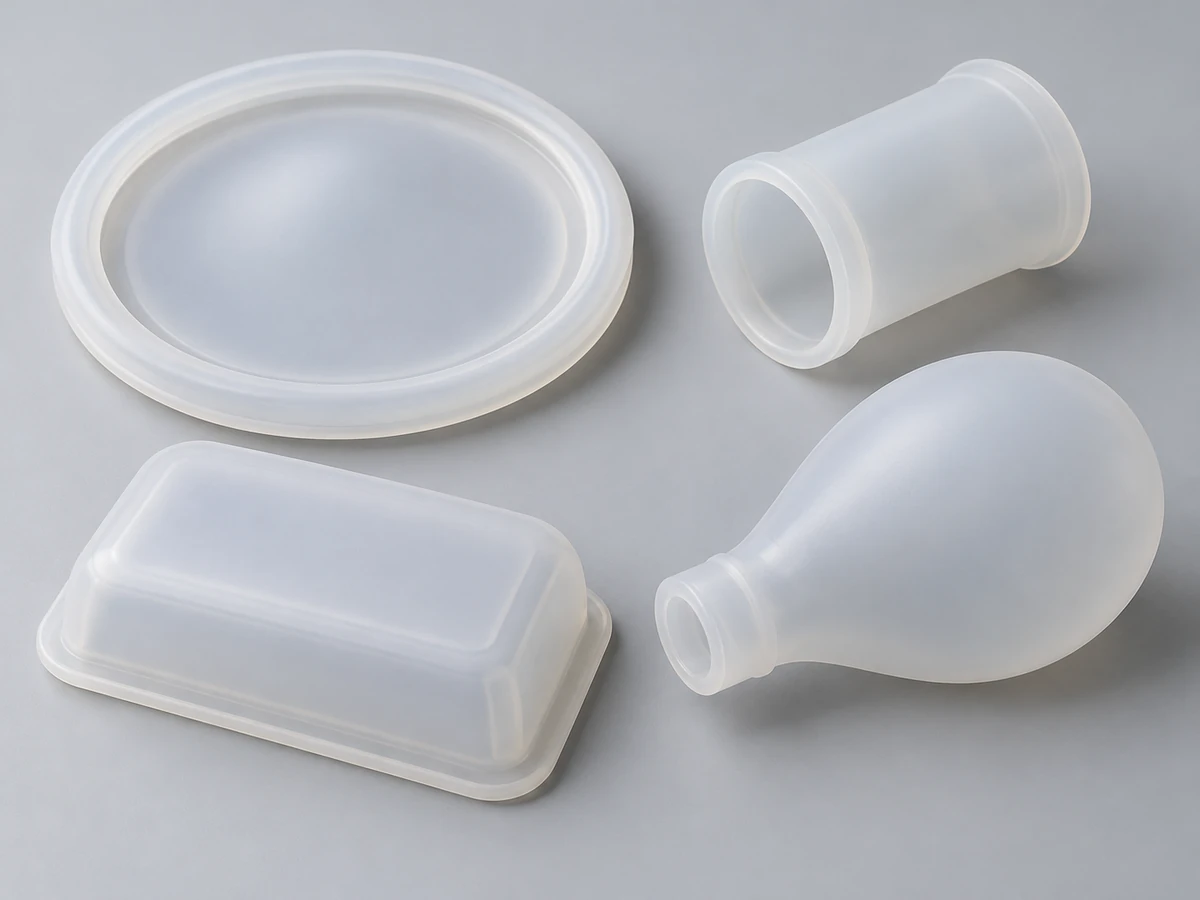
Start With the Component’s Role in the Device
A similar-looking silicone part can serve different purposes. Describe where it sits, what it touches and how it interacts with neighboring parts so the review starts with its function.
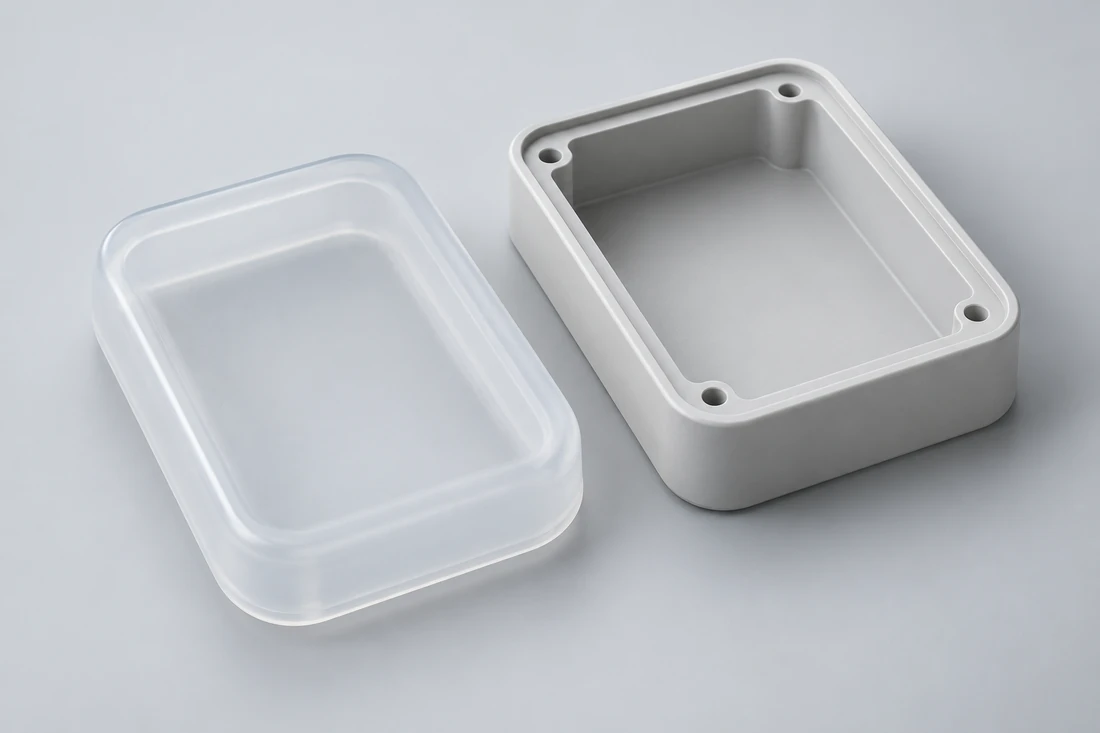
Housing & Interface Fit
For covers, cushions and molded interfaces, share the seating surfaces, openings and surrounding housing. Identify the areas that must locate, flex or remain clear during assembly.
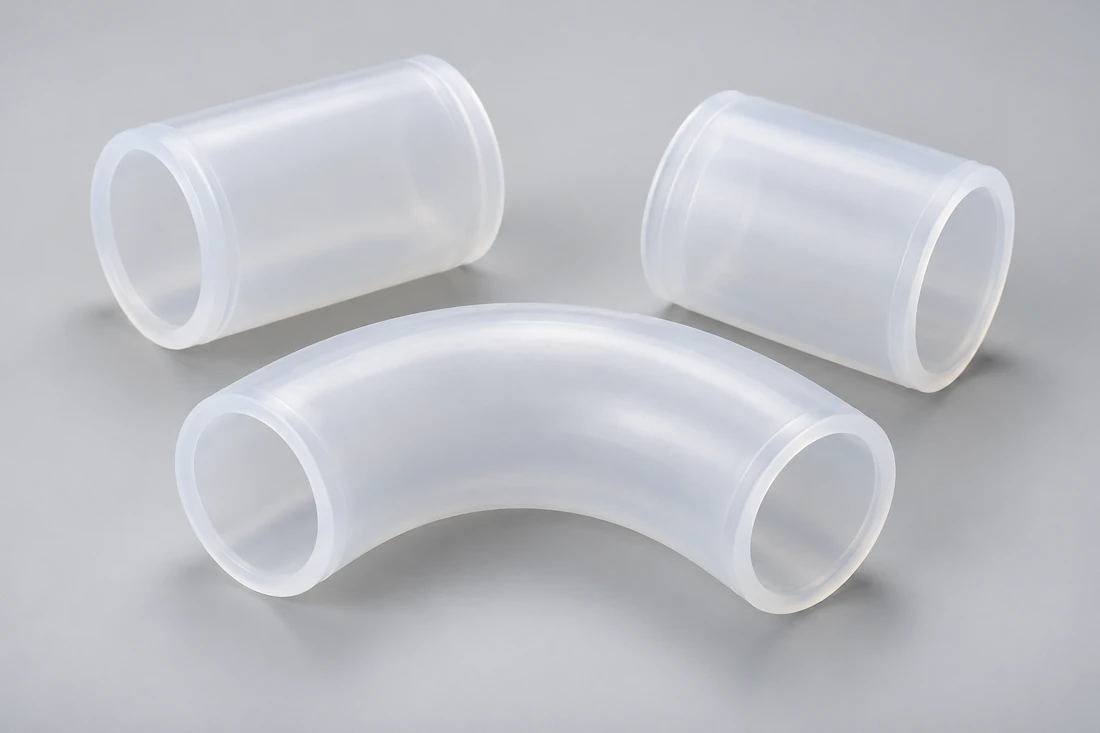
Flexible Connections
For flexible connection concepts, identify the mating ends, routing and installation method. Include the intended exposure conditions and any functional checks your project requires.
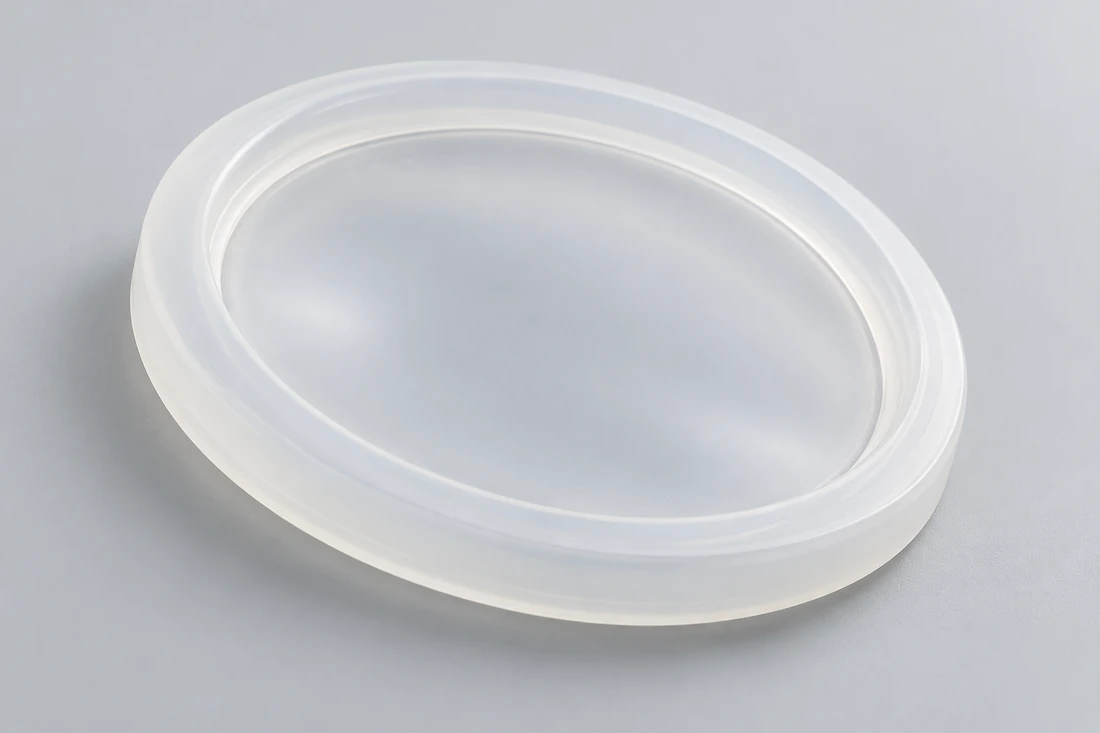
Membrane & Seal Geometry
Show the retained edges, supported surfaces and working area. Define the movement or sealing requirement and how it will be assessed in the assembly; appearance alone does not establish performance.
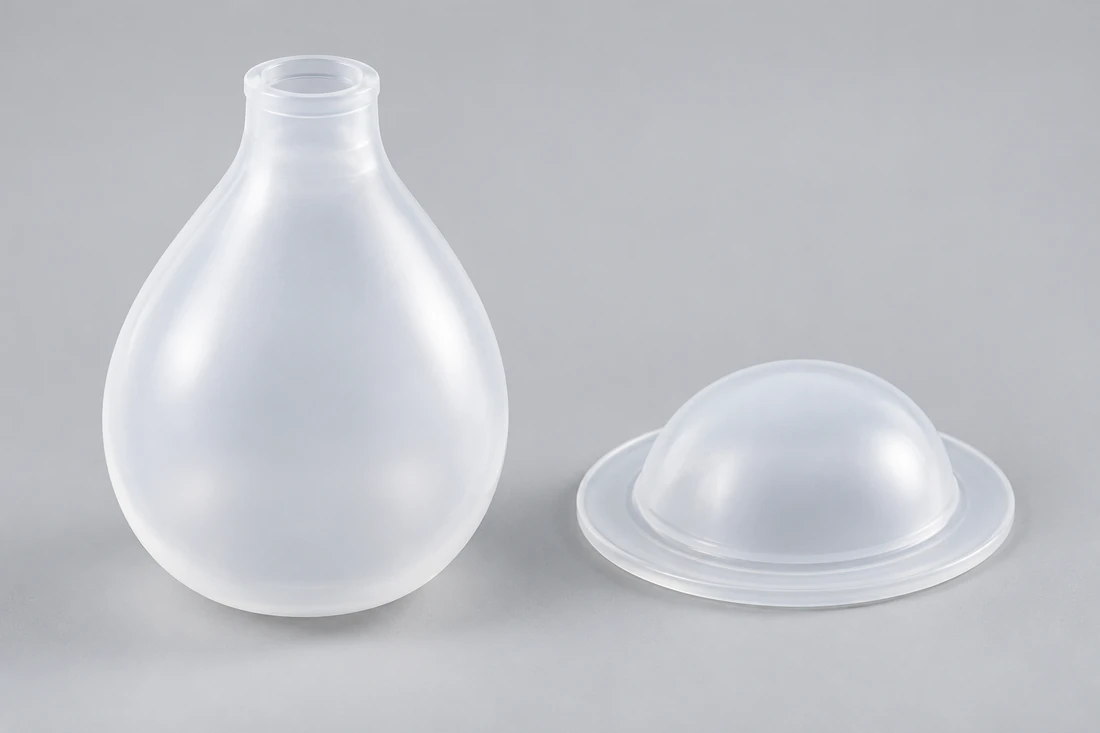
User-Operated Flexible Parts
For squeeze or press features, describe the intended action, return behavior and connection to the rest of the device. Share an existing sample if it helps explain the required feel or geometry.
Define Use and Contact Conditions Before Material Selection
Include the intended device use with the component drawing. Where contact is relevant, specify its nature and duration and identify any substances the part may encounter. Mark requirements that are still undecided rather than assuming a material or process will satisfy them.
Use & Exposure
Describe the location of the part, contact conditions, operating environment and expected handling. Distinguish external equipment interfaces from parts with other contact requirements.
Material & Cleaning Requirements
Provide the specified material, hardness target or material reference if available. Include cleaning agents, methods and any proposed sterilization conditions as requirements to assess—not assumed capabilities.
Documentation & Responsibilities
List the records or reports your team needs and when they are required. Confirm the available evidence and responsibility for component and finished-device evaluation before committing to production.
Review the Relevant Silicone Component Range
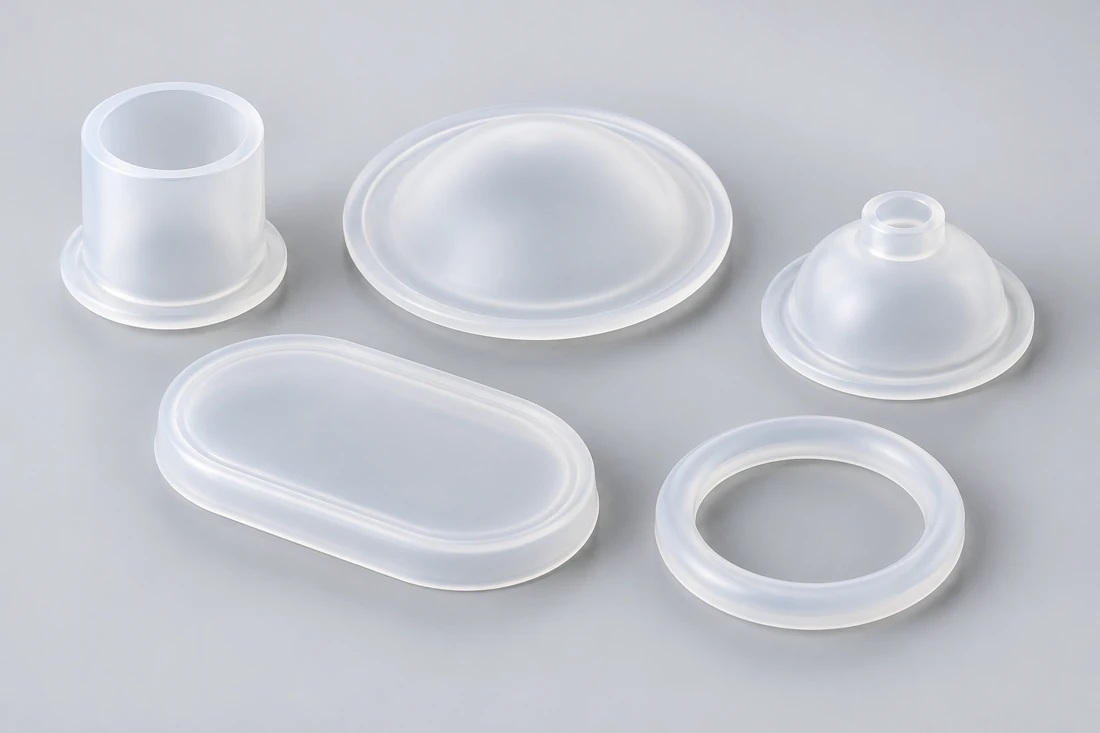
Explore the component range for representative shapes and product directions. Return with the part reference and device context so the discussion covers the requirements behind the shape, not just a visual match.
What to Include in a Component Project Brief
Send the information already available. Separate agreed requirements from open questions so engineering and procurement can work from the same brief.
Geometry & Assembly
- Drawing or CAD file, with revision identified.
- Mating parts, installation direction and space constraints.
- Critical dimensions and the method proposed to check them.
Use & Material
- Intended function and contact conditions, where relevant.
- Specified material or material requirements still to be resolved.
- Exposure, cleaning and handling conditions.
Samples & Acceptance
- Existing sample or visual reference, if available.
- Required appearance, fit and functional checks.
- Documents needed for your team’s review and approval.
Procurement Context
- Expected order quantities and project stage.
- Requested timing and dependencies on device development.
- Tooling, sample and production items that need separate quotation.
Review Fit, Geometry and Sample Acceptance Together
A component review is more useful when it includes the assembly around the part. Identify the features that matter most before tooling decisions are made.
Mating Surfaces
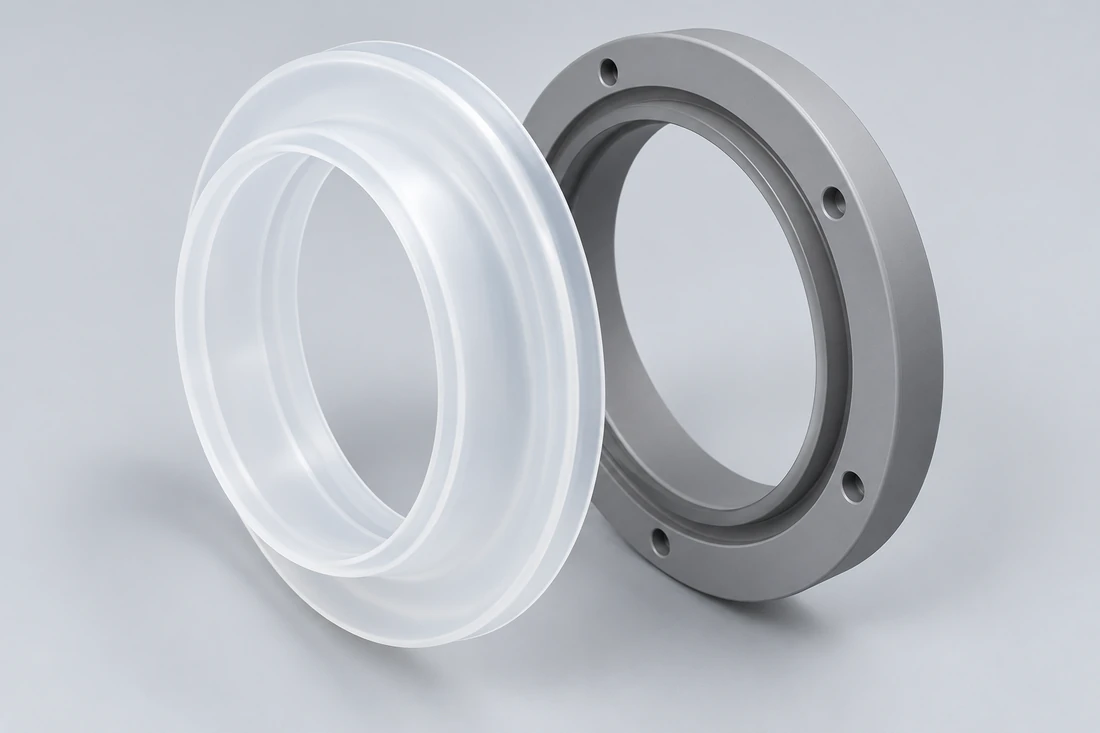
Show where the part seats, locates or is retained. Identify the relevant dimensions on both components rather than specifying the silicone part in isolation.
Flexible Features
Describe the intended movement and installation steps. Flag areas where wall geometry, handling or neighboring parts could affect the proposed design.
Approval Reference
Agree the drawing revision, sample configuration and checks used for approval. If requirements change, review their effect on tooling, samples and quotation before proceeding.
Connect the Requirements to a Manufacturing Review
Tooling, molding and any secondary work should follow the agreed component requirements. Review the proposed route and the evidence needed for the project before authorizing the next stage.
Drawing & Tooling Review
Clarify geometry, material requirements and open design questions before the tooling scope is agreed.
Molding & Secondary Work
Review the part requirements against the proposed manufacturing route, including any specified surface or assembly work.
Sample & Inspection Scope
Define the dimensions, appearance and assembly checks required for sample review, together with any additional project-specific evaluation.
Questions Before Starting a Medical or Healthcare Component Project
What information is needed to begin a project review?
Send the drawing or sample reference, intended component function and the surrounding device context. Include contact conditions, material requirements, quantities and required documents where known. List unresolved points separately so they can be discussed early.
Can a review start from an existing component sample?
Yes. A sample can help explain geometry, appearance and assembly relationships. Identify which features must be retained and which may change. Material identity, performance and suitability still need supporting information; they cannot be confirmed from appearance alone.
How should intended contact conditions be described?
Explain what the part is intended to contact, for how long and under what conditions. Include the device use context and your team’s requirements. The necessary evaluation must be defined for the actual project rather than inferred from a generic product category.
Can cleaning or sterilization requirements be reviewed?
Include the proposed method, agents, conditions and expected cycles in the brief. Whether a component and manufacturing route can meet those requirements needs project-specific review and evidence. Do not assume compatibility from the use of silicone alone.
Which material and documentation requirements should we specify?
Provide the material specification and the records or reports required by your team, where available. Confirm what can be supplied and what further evaluation is needed before tooling or production commitment. A material reference is not, by itself, approval of the finished device.
What should be agreed before tooling and sample approval?
Confirm the drawing revision, tooling scope, material requirements, sample configuration, acceptance checks and documentation expectations. Review quotation assumptions, timing and the handling of later design changes. Keep unresolved requirements visible before authorizing the next stage.
YOUR MEDICAL & HEALTHCARE COMPONENT PROJECT
Share the Component and Its Device Context
Send your drawing, CAD file or sample reference with the intended function, contact conditions and documentation needs. SM can review the available information and identify the next project questions with your team.