CONSUMER & HOUSEHOLD PRODUCTS
Custom Silicone Products for Consumer & Household Brands
Build the project around how the product will look, feel and be used. SM reviews custom silicone product requirements from drawings, physical samples and product references, connecting appearance, geometry and intended use with the relevant manufacturing route.
Product Concepts • Color & Surface References • Use Conditions • Sample Requirements
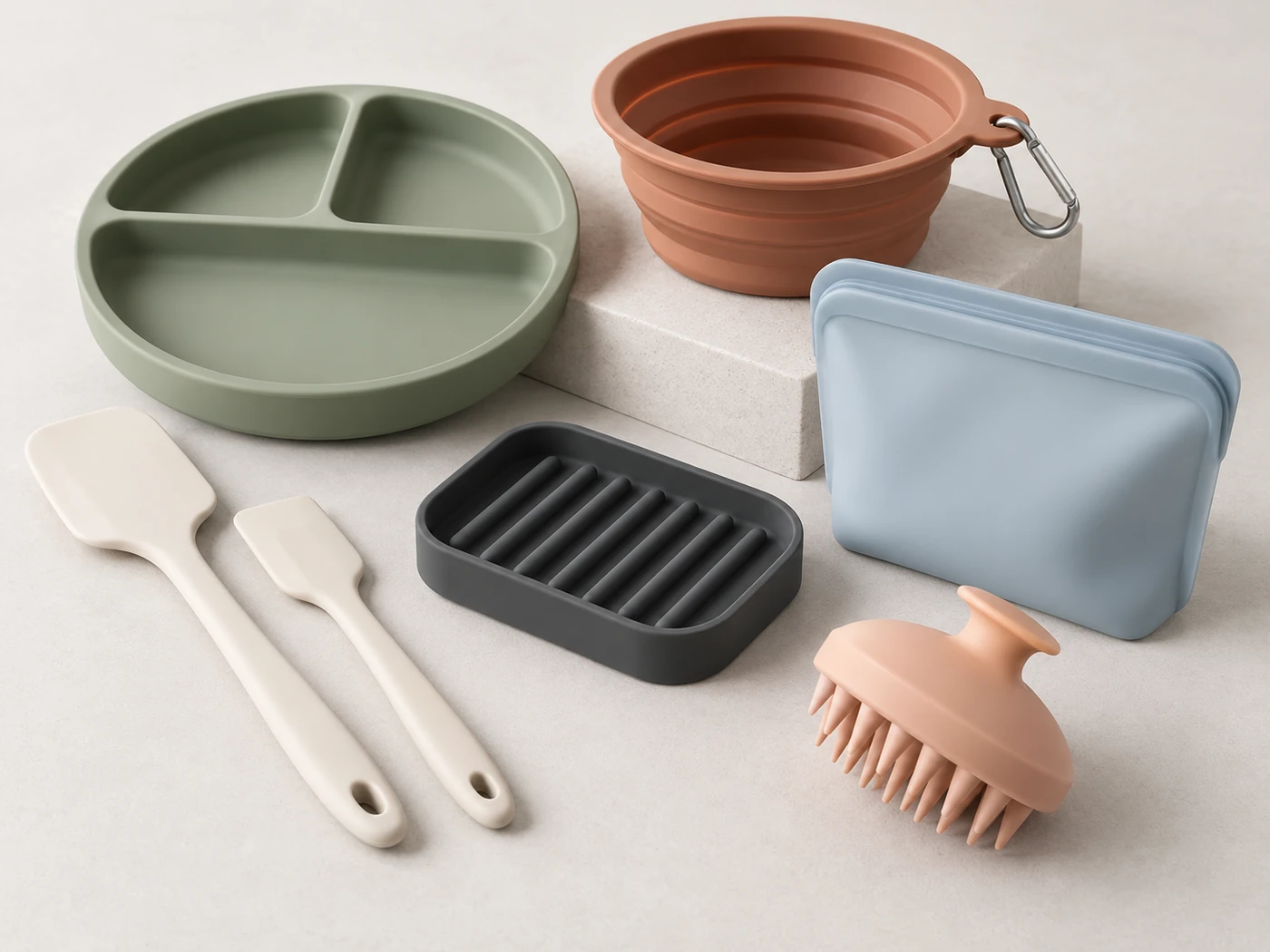
FROM EVERYDAY USE TO PRODUCT DEFINITION
Start With the Product’s Everyday Role
A category name is only the starting point. The way a product is held, filled, stored or used helps define which details need review before tooling.
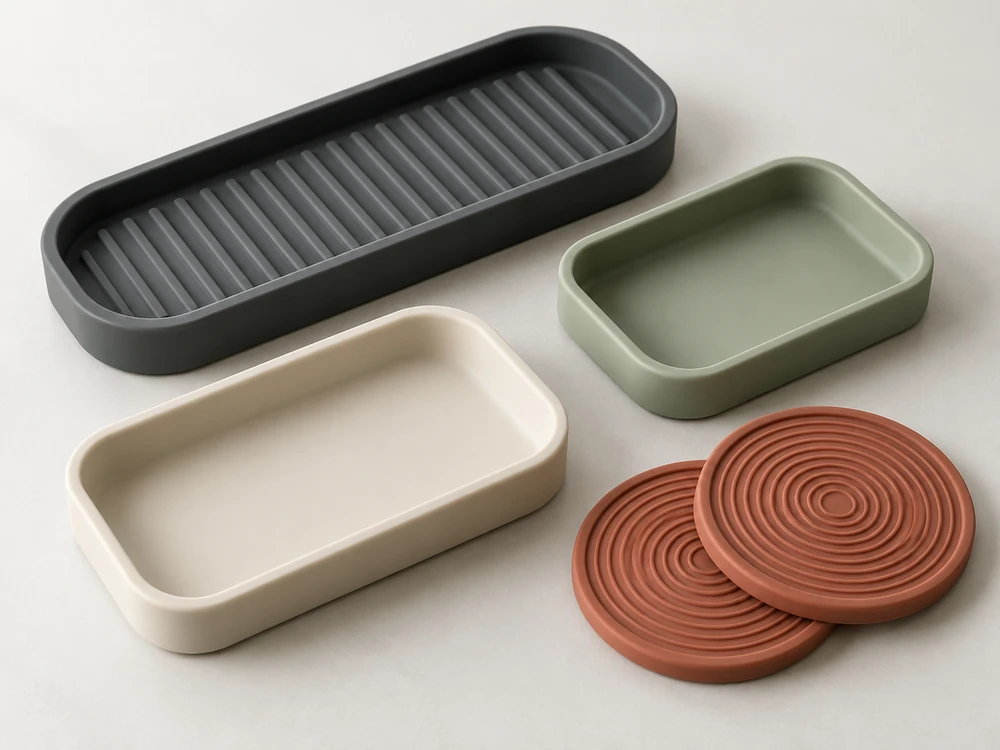
Hold, Cover & Organize
For cases, holders and storage accessories, show what the product needs to contain or fit around. Include openings, closure relationships and the dimensions that matter to the user.
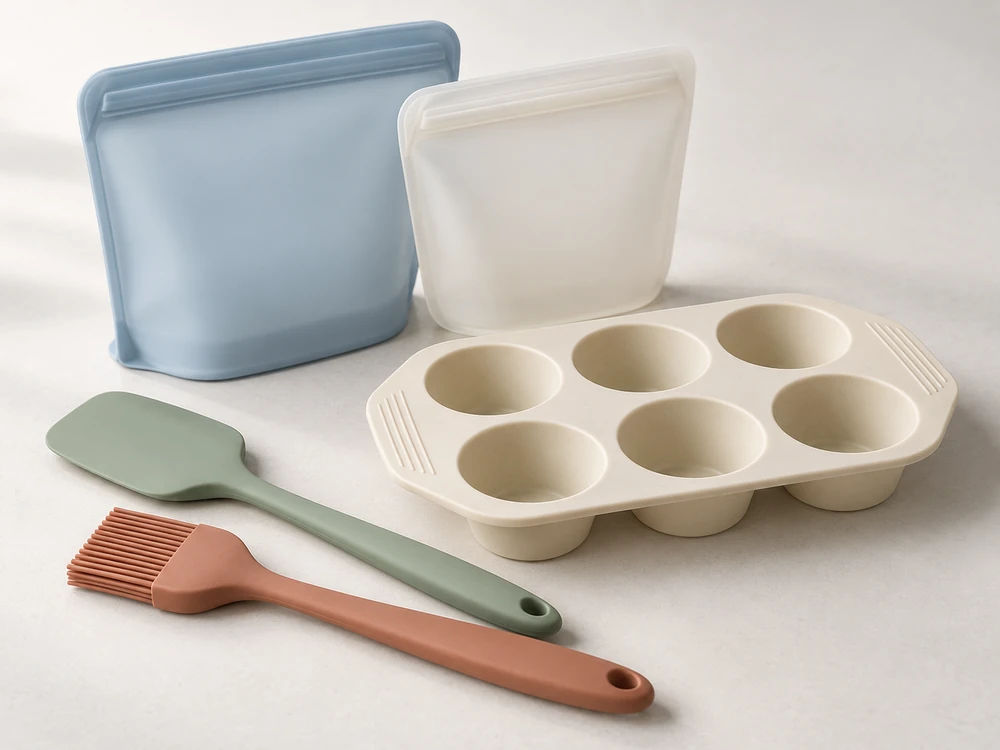
Grip, Handle & Carry
For sleeves, handles and hand-held accessories, identify the contact areas and surrounding parts. Describe the intended handling and how fit or movement should be checked.
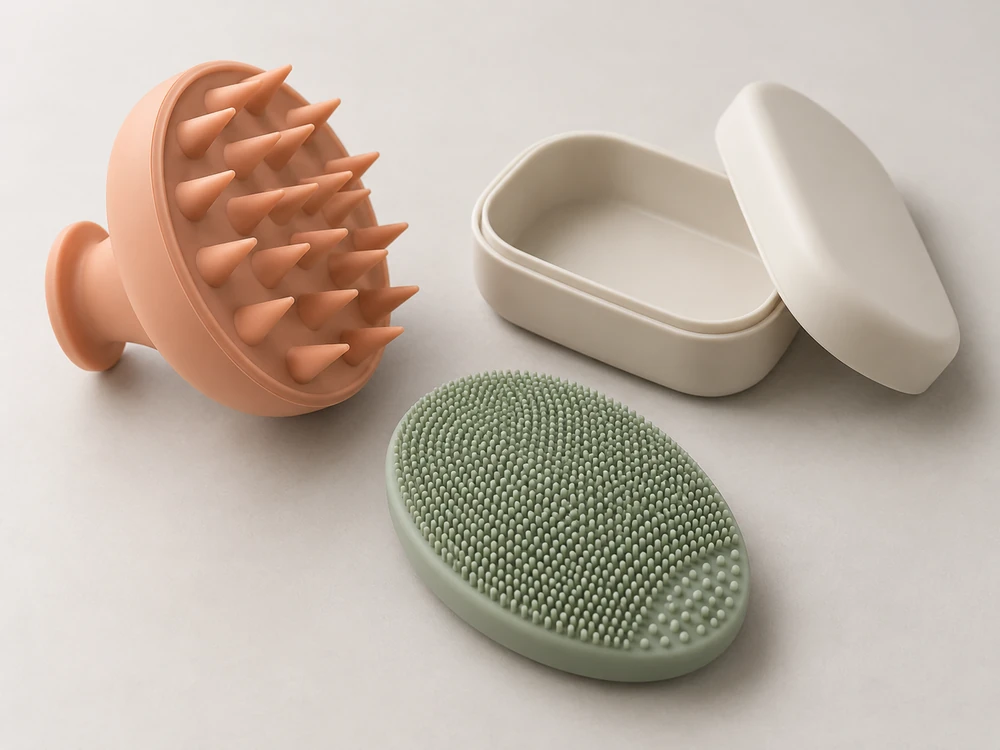
Texture & User Contact
For brushes, pads and textured surfaces, provide the pattern, visible finish and intended contact context. Describe how the surface will be used and cleaned.
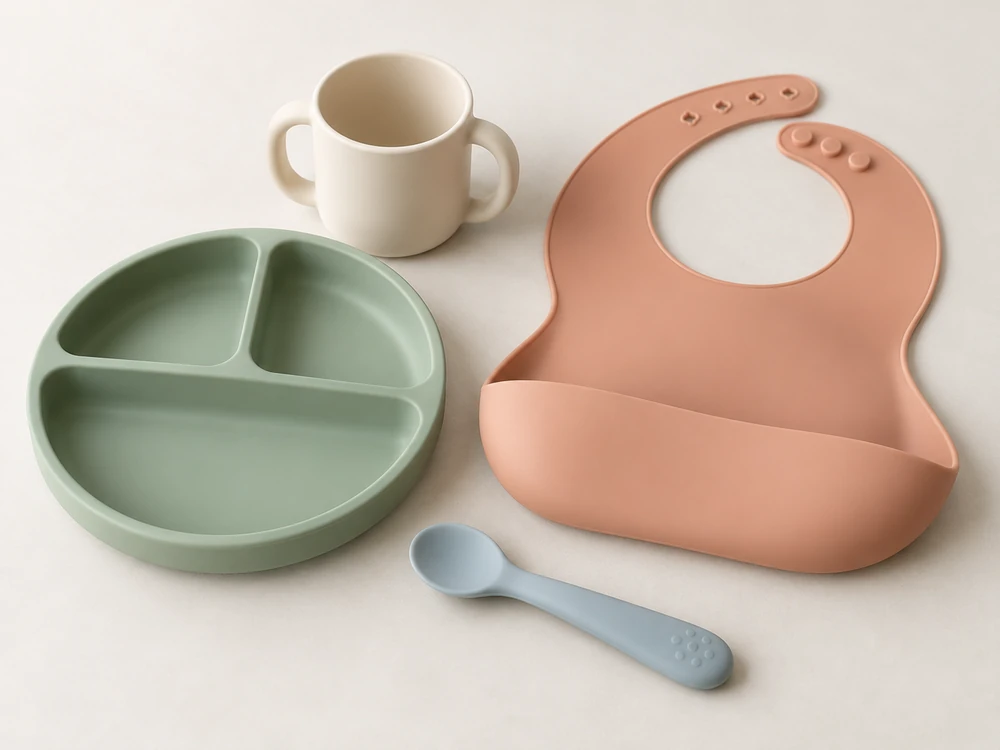
Coordinate a Product Range
For matching sets or multiple versions, list which shapes, colors and sizes belong together. Identify the shared appearance requirements and the differences between variants.
DEFINE THE DETAILS EARLY
Define Appearance, Use and Product Fit Together
A good-looking reference image does not define the complete product. Bringing these requirements together helps make the initial project discussion more useful.
Color, Texture & Branding
Provide color references, visible faces, texture examples and logo artwork where required. Mark the proposed logo location and distinguish molded features from surface decoration.
Shape & Surrounding Items
Share dimensions, wall sections, openings and any item the product fits around. For folding or flexible features, explain the intended positions and movement.
Use & Cleaning Conditions
Describe the intended user, contact conditions, contents and cleaning method. Include the requirements relevant to the market where the product will be sold.
Acceptance Priorities
Identify which dimensions, visible areas, fit points and functional checks must be reviewed on a sample. Agree the reference and inspection scope before approval.
Material suitability and any required testing or documentation must be reviewed for the actual product and intended use. A product photograph does not establish compliance or performance.
FIND YOUR PRODUCT DIRECTION
Explore the Relevant Silicone Product Category
Use these category pages to review representative product directions, then return with the design and requirements for your own project.
Mom & Baby Products
Explore feeding-related products and accessories. Define the intended age/use context, set configuration and buyer-required documentation for the specific project.
Kitchen Products
Review utensil, storage and kitchen-accessory directions. Clarify the intended contents, use conditions, contact requirements and geometry.
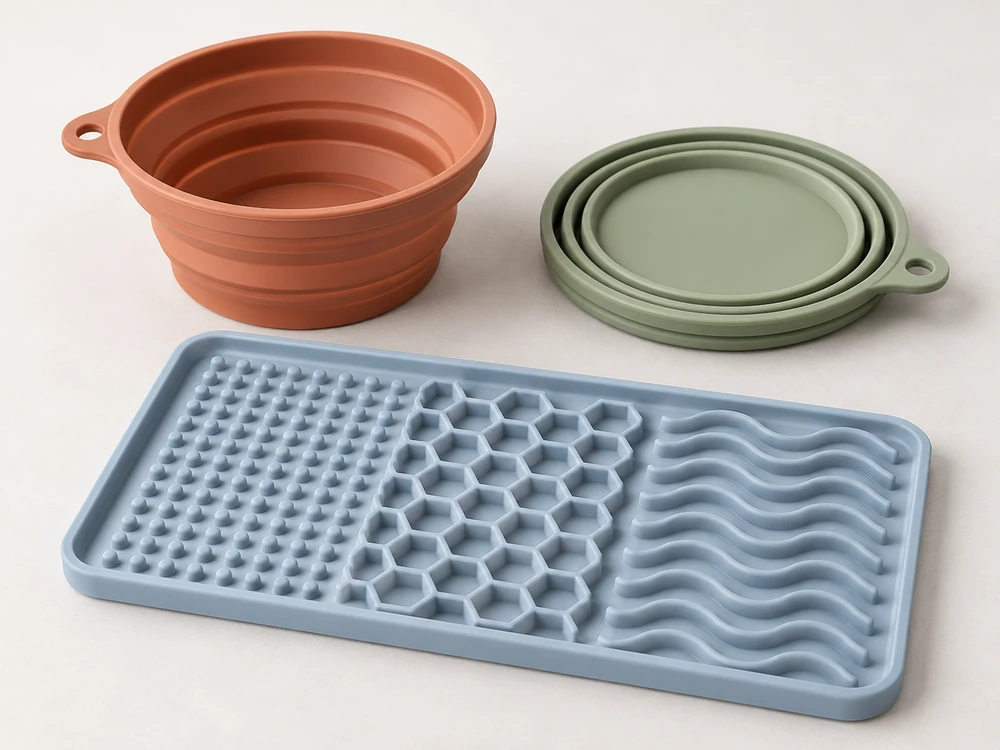
Pet Products
Review bowls, mats and molded accessory directions. Include the intended use, product size, surface features and acceptance priorities.
Home & Lifestyle Products
Explore holders, organizers, cleaning accessories and other molded household directions. Show how the product fits into its intended use or storage location.
Personal Care Products
Review brushes, textured pads and beauty-tool accessories. Define the contact surfaces, pattern, appearance and intended cleaning context.
WHAT TO SEND
Prepare a Clear Brief for Your Consumer Product Project
Send the information you already have and mark what still needs to be decided. A brief that separates product definition from commercial assumptions gives the review a clearer starting point.
Product Definition
Drawing, CAD file, physical sample or annotated product reference; key dimensions and related parts where available.
Intended Use
Target users, contact conditions, use environment and cleaning expectations; destination market and required documents.
Appearance References
Color references, texture examples, visible faces and approved artwork; areas where appearance is most important.
Range & Variants
Sizes, colors and set combinations; quantities for each version rather than only one total order quantity.
Sample Requirements
Fit, appearance and functional review priorities; who will evaluate the sample and what constitutes approval.
Commercial Context
Project stage, estimated quantities, target timing and packing requirements; tooling and sample scope to clarify in the quotation.
FROM REFERENCE TO AGREED SAMPLE
Agree What the Product Sample Needs to Demonstrate
01 — Confirm the Review Scope
Separate agreed requirements from open questions. Identify the product revision, appearance references and any checks that need external input.
02 — Review the Sample Against the Brief
Compare the sample with the agreed geometry, visible requirements and intended-use checks. Record changes by feature so that feedback is actionable.
03 — Define the Approved Reference
Agree which sample and document revision will guide the next stage. Clarify remaining conditions, variant coverage and how later changes will be reviewed.
Tooling terms, sample rounds, timing, quantities and packing scope should be agreed for the individual project; they are not defined by the example products shown here.
PRODUCT REQUIREMENTS TO MANUFACTURING
Connect Product Requirements to the Manufacturing Route
The product brief helps identify which tooling, molding, finishing and inspection steps need review. Explore SM’s capabilities for process context, rather than assuming every product follows the same route.

Tooling & Molding
Review product geometry, molded features and the tooling requirements associated with the agreed part definition.

Appearance & Surface Work
Review visible color areas, artwork and any proposed decoration against the product geometry and material requirements.

Sample & Inspection
Define the dimensions, appearance and other agreed points to be checked before the project progresses.
BUYER QUESTIONS
Questions From Consumer Product Buyers
Can we start with a photograph or physical sample?
Yes. A reference can start the discussion, but it may not define dimensions, material requirements or the complete geometry. Include any measurements and intended-use information already available, and identify what still needs development.
Can we discuss our own colors, texture and logo?
Yes. Share the references, artwork and intended locations. The suitable approach needs review against the product shape, material and appearance requirements; a visual reference alone does not confirm the final result.
What should we provide for food, child or skin-contact uses?
State the intended use, contact conditions, target market and required testing or documentation. These requirements need product-specific review. Do not infer suitability or compliance from the category name or a similar-looking example.
What determines the order quantity, tooling cost and timing?
Provide the geometry, quantity by variant, appearance requirements, sample expectations and target schedule. MOQ, tooling, sampling and production terms need confirmation in the project quotation; there is no universal commitment on this page.
Can a project include a coordinated set or multiple colors?
Send a list of the items, sizes, color versions and quantities. Identify which features are shared and which are unique so that tooling, appearance references and sample coverage can be reviewed clearly.
What should procurement confirm before approving the project?
Confirm the drawing revision, tooling and sample scope, quantities by version, acceptance reference, required documents and packing requirements. Agree timing, responsibilities and how changes will affect the quoted scope before proceeding.
YOUR NEXT CONSUMER PRODUCT PROJECT
Share Your Product Idea and the Requirements Behind It
Send a drawing, sample or product reference with the intended use, appearance priorities and quantity context. SM can review the available information and discuss the next steps for your custom silicone product project.