MEDICAL & HEALTHCARE COMPONENT PROJECTS
Custom Silicone Components for Medical Device & Healthcare Projects
SM supports custom medical silicone components for medical-device and healthcare applications. Send a drawing, CAD file, sample or product reference; we review geometry, device interfaces, contact conditions and project-specific requirements before tooling.
Drawing • CAD • Sample → Project Review → Tooling → Sample → Approval / Production Stage
Medical-use suitability, material, validation and documentation requirements are confirmed project by project.
Silicone Component Directions for Medical Device Projects
Start with the closest component family, then define the part around the device interface, contact condition and project requirements.
01
Silicone Tubing & Flow-Path Components
Define tubing and related flexible interfaces around tube or lumen dimensions, connection geometry, assembly fit and buyer-defined contact or validation requirements.
Project inputs: Tube / lumen dimensions • connector geometry • assembly relationship • contact condition • cleaning / validation requirements

02
Membranes, Seals & Flexible Interfaces
Develop membranes, seals and flexible molded interfaces around movement, mating surfaces, related hardware and the dimensions that control device fit.
Project inputs: Mating surface • movement / deflection • critical dimensions • related hardware • inspection priorities

03
Squeeze Bulbs & Flexible Device Components
Define squeeze-bulb and related flexible components around shape, connection points, deformation and the surrounding device structure.
Project inputs: Shape / volume • connection geometry • deformation zone • related tubing / device • use condition

04
Custom Non-Implantable Silicone Components
For a component outside these families, start from the actual device function. A drawing, CAD file or sample gives a clearer basis for reviewing geometry, interfaces and tooling direction.
Project inputs: Part function • device relationship • contact condition • critical dimensions • validation / documentation needs

PROJECT CONTEXT
Define the Component by Its Device Interface and Use Condition
A medical or healthcare application name is not a complete specification. The useful project brief starts with the component’s actual interface, contact condition and use environment.
01
DEVICE INTERFACE
Define mating parts, connection points, assembly direction and dimensions that control fit.
02
FLUID / AIR PATH
Where applicable, define tubing, lumen, connector or flow-path geometry and the related project requirements.
03
FLEX / SEAL / MOVEMENT
Define the surfaces that seal, flex, compress or move and the related assembly geometry.
04
CONTACT & VALIDATION CONTEXT
Define intended contact condition, use duration, cleaning / sterilization expectations if applicable, environment and required validation or documentation.
These are buyer-defined project inputs. Material, suitability, compliance and validation requirements must be confirmed for the specific project.

PROJECT DEFINITION
Define Geometry, Contact and Validation Requirements Before Tooling
For medical and healthcare applications, the component definition should cover both geometry and the project-specific requirements that affect material selection, validation and documentation.
01
Drawing & Geometry
2D drawing, 3D CAD, physical sample, sketch or measured reference.
02
Device & Mating Interface
Related hardware, connector geometry, insertion direction, attachment points and assembly relationship.
03
Critical Dimensions & Inspection Priorities
Identify the dimensions and inspection priorities that control fit, sealing, movement, connection or downstream assembly.
04
Material & Contact Requirements
Provide buyer-defined material, hardness, intended contact condition and any material qualification requirements.
05
Use, Cleaning & Sterilization Inputs
Provide relevant use duration, fluid / air exposure, cleaning method, sterilization expectation and environmental inputs where applicable.
06
Validation & Documentation
Define test, inspection, traceability, regulatory or documentation inputs required by the buyer or device project.
No material grade, medical-use suitability, biocompatibility, sterility, regulatory status or cleanroom capability should be assumed from the product category alone.
PROJECT PROGRESSION
From Component Definition to Project Approval
01
DRAWING / CAD / SAMPLE
Provide the component reference, device context and intended function.
02
REQUIREMENT REVIEW
Review geometry, interfaces, contact condition, material inputs and validation requirements.
03
TOOLING
Proceed after component definition and tooling direction are confirmed.
04
SAMPLE
Evaluate the molded sample against the agreed geometry, fit, appearance and project-specific requirements.
05
APPROVAL / PRODUCTION STAGE
Move forward after buyer approval and production-stage requirements are confirmed.
MANUFACTURING EVIDENCE
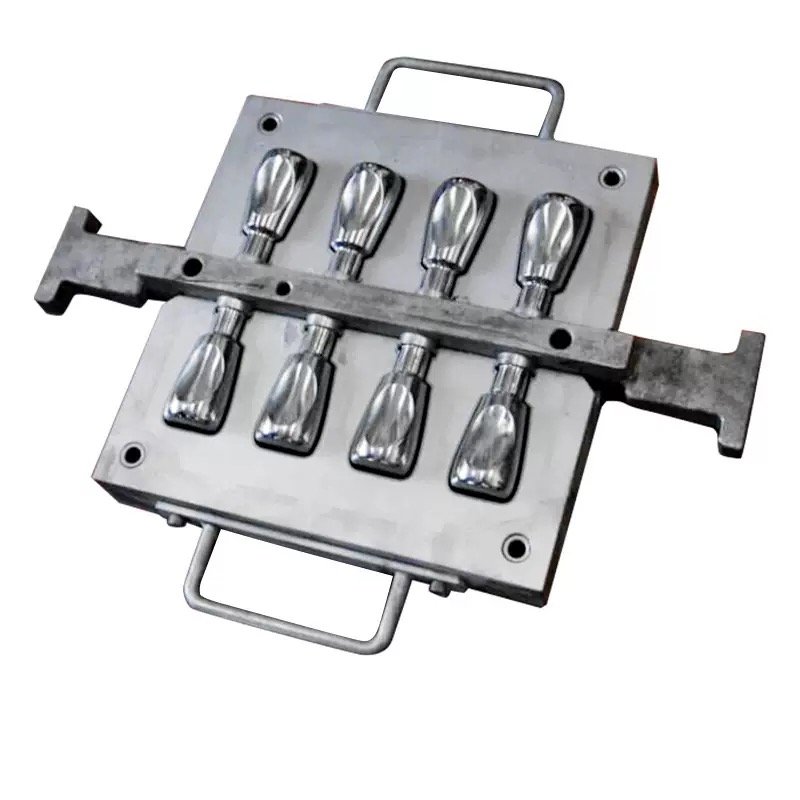
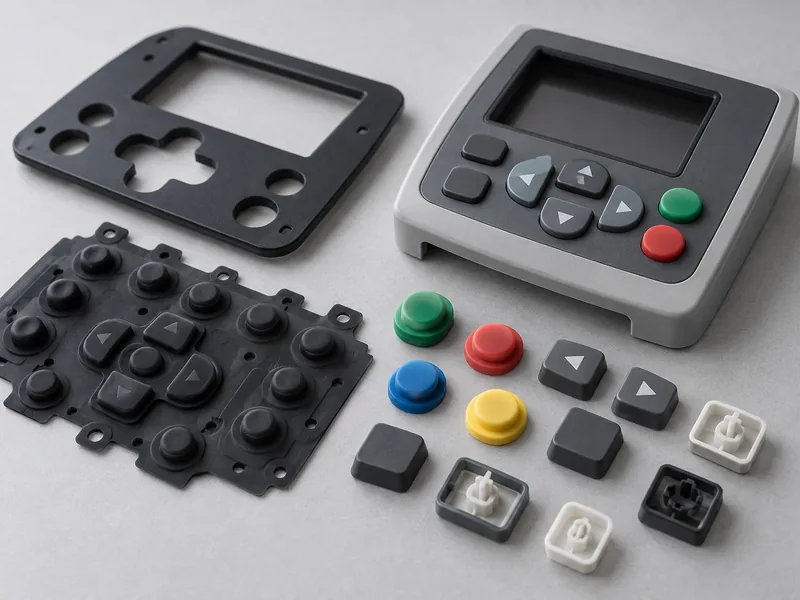
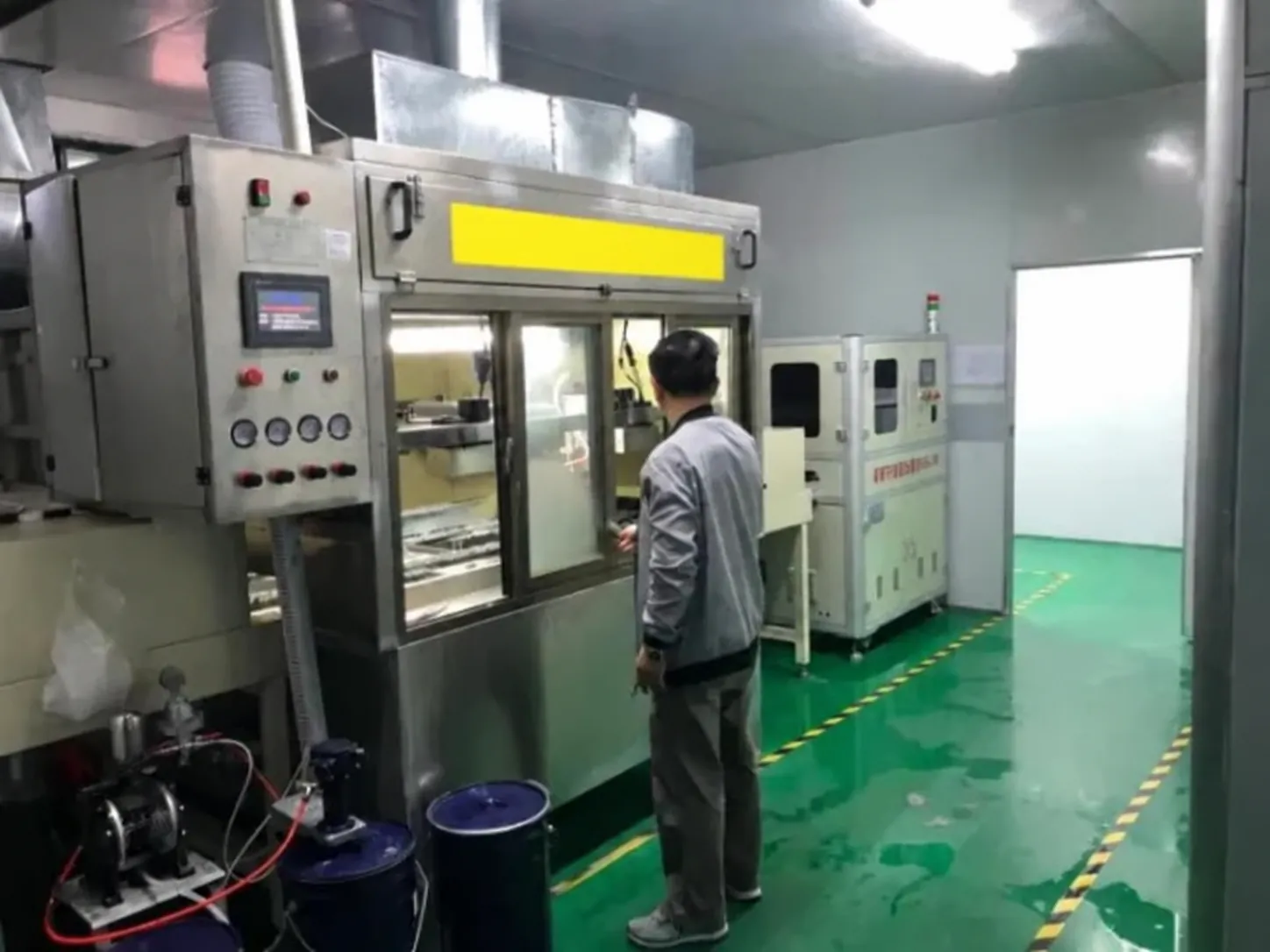
See the Manufacturing Context Behind the Component Project
Verified SM manufacturing media shows the general silicone manufacturing context behind the project.
Dongguan Sanmao Electronic Technology Co., Ltd.
Established 2014
Dongguan manufacturing base
3,000+ m²
Approximately 150+ employees
This manufacturing evidence does not by itself establish medical certification, cleanroom capability, validated medical-grade material, biocompatibility or sterilization capability.

PROJECT BRIEF
Send the Inputs Needed for a Useful Component Review
DRAWING & COMPONENT
2D / 3D file, sample or reference; overall geometry; approximate dimensions; related device parts.
DEVICE & INTERFACE
Component function, mating surfaces, connector / housing / tube relationship, installation direction and movement if applicable.
CONTACT, MATERIAL & ENVIRONMENT
Buyer-defined material or hardness targets, intended contact condition, relevant fluid / air exposure, use duration, cleaning / sterilization expectations and environment.
VALIDATION, QUANTITY & DOCUMENTATION
Target application, estimated quantity, target timing, validation plan, inspection priorities, traceability needs and required documentation.
B2B FAQ
Questions About Custom Medical Silicone Components
Send a drawing, CAD file, sample or existing component reference together with the component function, related device information, critical dimensions, contact condition, expected quantity and any validation or documentation requirements.
No. Material grade, contact suitability, biocompatibility and compliance requirements must be defined and confirmed for the specific project and target application.
Send the mating geometry, critical dimensions, related hardware or tubing, intended contact or flow condition, use environment and any material, cleaning, validation or documentation requirements.
List the exact requirement in the project brief. It must be reviewed specifically before any capability, material or compliance commitment is made.
There is no single MOQ or lead time for every custom component. Both depend on geometry, tooling, validation requirements and order scope. Send the project details for a specific evaluation.
YOUR NEXT COMPONENT PROJECT
Send Your Silicone Component Project for Review
For a medical-device or healthcare application, share your drawing, CAD file, sample or product reference together with the device interface, contact condition, critical dimensions and project requirements. SM can review the project scope before tooling or production planning.
START YOUR PROJECT
Tell Us About Your Project
Share the part, application and requirements you already have. A drawing, photo or sample reference can help us review the next step.
Prefer email? service@zynsil.com