KITCHEN PRODUCTS
Custom Silicone Kitchenware for OEM Projects
SM supports custom silicone kitchenware projects from drawings, existing samples or product concepts for brands, distributors and sourcing teams.
The current range covers utensil sets, spatulas, brushes, storage products, containers, handle accessories and related kitchen utility products.
PRODUCT RANGE
Silicone Kitchenware Product Families
Start with the product family closest to your sourcing requirement, then define the geometry, use conditions and supply scope around the actual product.
FEATURED
Silicone Kitchen Utensil Sets
Build a coordinated utensil set around the required tool types, handle geometry, color direction and component structure.
Silicone Spatulas & Scrapers
Define the blade profile, edge geometry, handle form, size, color and any required multi-material interface.
Silicone Basting Brushes
Specify the brush-head geometry, bristle layout, handle design and component structure for the intended configuration.
Silicone Food Storage Bags
Define the bag size, wall geometry, opening and closure structure, color and other project-specific details.
Silicone Food Containers & Lunch Boxes
Set the container shape, divider layout, lid relationship, dimensions and visible design details for the intended range.
Silicone Handle Covers & Grip Accessories
Define the sleeve geometry, internal fit, outer texture and dimensions around the mating handle or equipment interface.
Silicone Kitchen Cleaning & Utility Accessories
Define cleaning gloves and related molded utility products around their geometry, surface texture and intended use conditions.
SOURCING PROGRAMS
Source One Product, a Tool Set or a Broader Kitchen Collection
ONE KITCHEN PRODUCT
Start With One Defined Product
Start with one defined spatula, brush, storage bag, container, grip accessory or other approved product direction.
Project inputs: drawing or sample · dimensions · use conditions
COORDINATED TOOL SET
Align a Coordinated Tool Set
Align several utensils around a shared handle language, color direction and buyer-defined set composition.
Project inputs: tool list · shared design language · component structure
COLLECTION EXTENSION
Extend a Kitchen Collection
Extend a kitchen range into storage or utility products once each product’s geometry, interfaces and supply responsibility are clear.
Project inputs: category mix · interface details · target market
PRODUCT DEFINITION
Define the Product Before Tooling
01
Geometry & Dimensions
Shape, thickness, key dimensions, functional features and molded details.
02
Functional Interfaces
Handles, lids, openings, tool heads, closures and other mating relationships that affect the product.
03
Set Composition
Define whether the project covers one product, a coordinated tool set or a broader kitchen range.
04
Color, Surface & Branding
Buyer-defined colors, visible texture, molded logos, printing or other approved identification requirements.
05
Use Conditions & Cleaning
Provide the intended use, heat-exposure context, food-contact context and expected cleaning method where relevant.
06
Material, Market & Compliance
Provide the target market and buyer-defined material, documentation or compliance requirements for the actual project.
Food-contact, heat, cleaning and market requirements are project-specific and are confirmed against the intended product and target market before manufacturing requirements are locked.
PROJECT PROGRESSION
Move From Product Input to an Approved Physical Sample
DRAWING / SAMPLE / CONCEPT →
PROJECT REVIEW →
TOOLING →
SAMPLE →
APPROVAL / PRODUCTION STAGE
The route depends on product geometry and the agreed supply scope. Finishing, marking or other secondary steps are added only where required by the approved design.
REAL MANUFACTURING EVIDENCE
Evidence Behind the Kitchenware Manufacturing Process
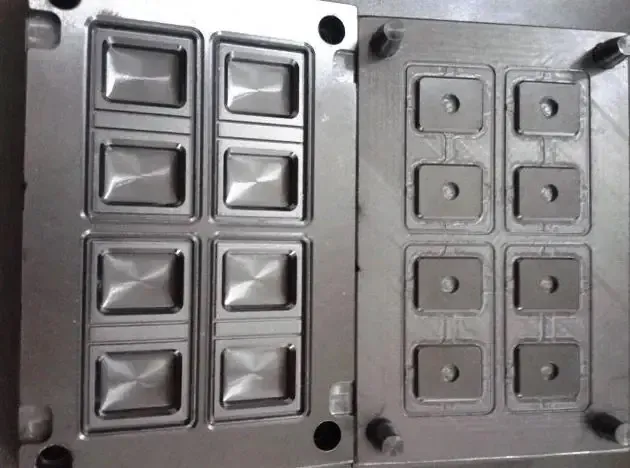
Tooling & Mold Preparation
Tooling is developed around the approved geometry and sample requirements.
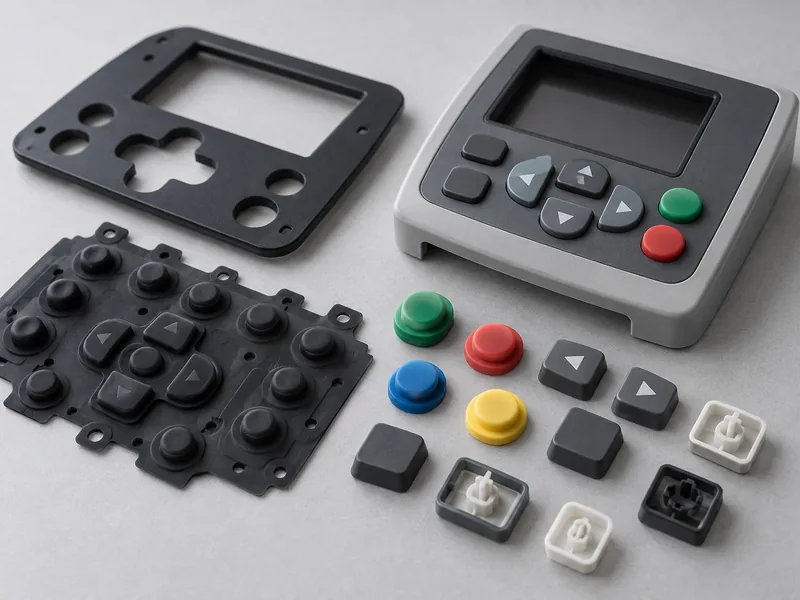
Molded Silicone Products
Molded components are checked against the agreed geometry and visible requirements before the next project stage.
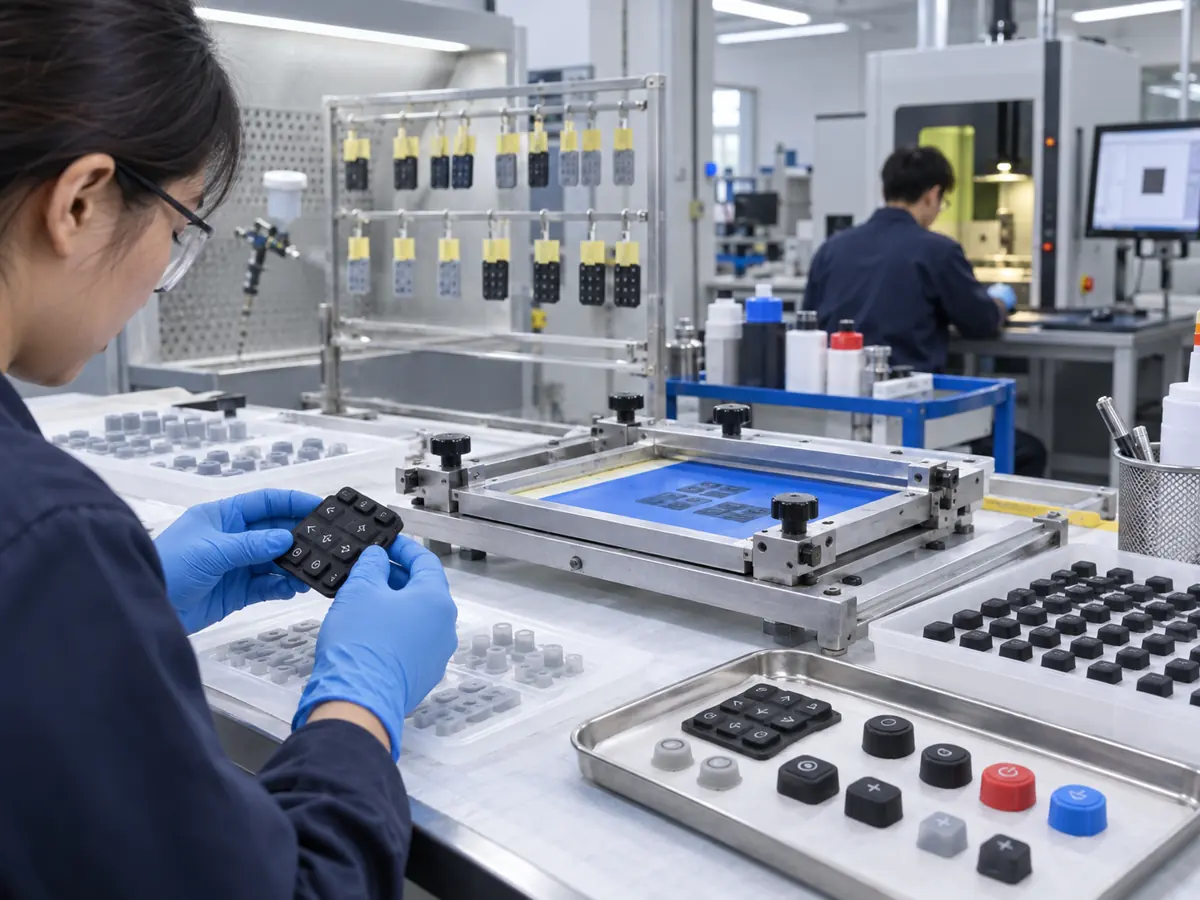
Surface, Marking & Secondary Work
Printing, laser engraving or other approved secondary steps are used where the product design requires them.
Sample & Inspection
Physical samples provide the agreed reference for dimensions, appearance, fit and other project-specific acceptance points.
PROJECT INPUTS
What to Send for a Kitchenware Project Review
Start with the information already available.
PRODUCT
- drawing, sample or product reference
- product type or set composition
- key dimensions and geometry
USE CONDITIONS
- intended use
- heat-exposure or food-contact context where relevant
- expected cleaning method
APPEARANCE
- color and surface references
- texture requirements
- logo, artwork or visible markings
MARKET & SUPPLY SCOPE
- target market and buyer-defined material/compliance requirements
- approximate volume context and target timing
- customer-supplied vs SM-supplied related parts
- packaging or labeling requirements, if relevant to the project brief
KITCHENWARE FAQ
Questions About Custom Silicone Kitchenware Projects
Yes. A physical product or clear reference sample can be used to review geometry, interfaces and the information still needed before tooling.
Yes. Multiple utensils can be defined around a shared color direction, handle language and set composition, provided each product and interface is reviewed.
Send the target market, intended use, cleaning method and any buyer-defined material or compliance requirements that apply to the project. These are confirmed against the actual product rather than treated as default claims.
Potentially. The component split, interfaces and supply responsibility need to be defined before the project scope is confirmed.
Start with the drawing, sample or product reference, together with dimensions, intended use, target market, set composition, approximate volume and known material or appearance requirements.
START WITH THE PRODUCT
Share Your Kitchenware Drawing, Sample or Product Direction
Send what you already have. SM can review the product scope, tooling path and manufacturing steps relevant to the project.